Beyond the Slopes: Things to Do Around Myoko
While Myoko is best known for its deep powder and world-class skiing, there’s plenty to discover away from the mountain too. Whether you’re looking for a rest day, travelling with family, or simply keen to explore more of the region, there are plenty of worthwhile day trips and local experiences within easy reach.
Most of these destinations can be reached by car, making them perfect additions to your itinerary during a longer stay.
Visit the Snow Monkeys
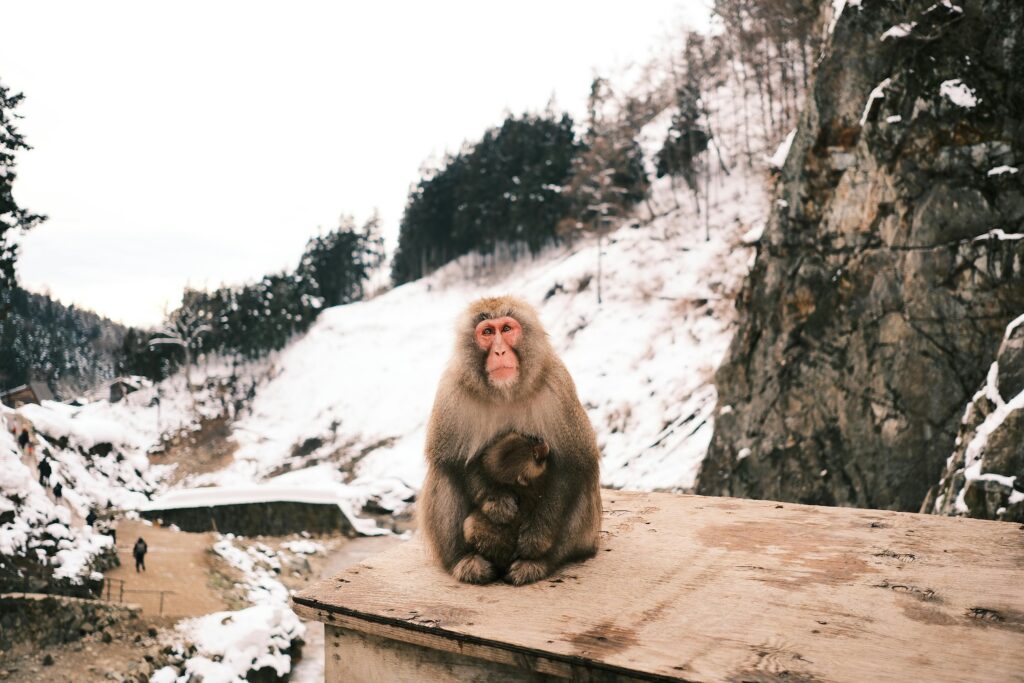
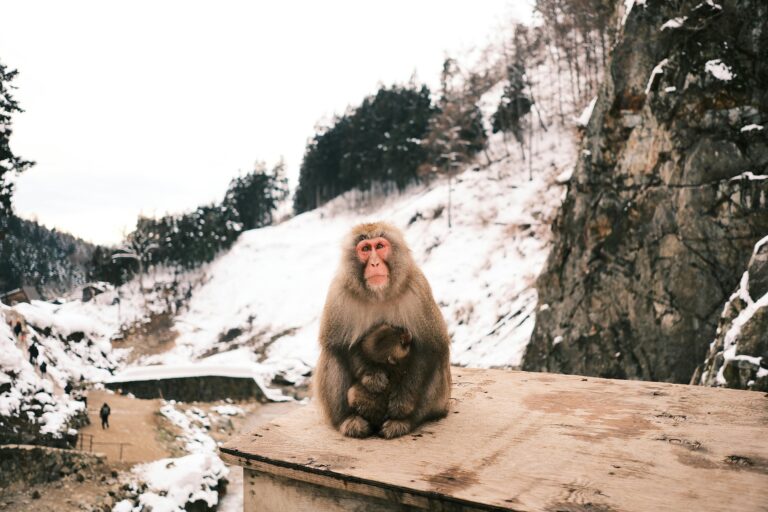
One of Nagano’s most iconic attractions, the famous snow monkeys are well worth the drive from Myoko. Located in Jigokudani Monkey Park, you’ll follow a short forest trail before arriving at the natural hot spring where wild Japanese macaques bathe during the colder months. While winter is the most famous season to visit, the park is open year-round and offers a fascinating wildlife experience in every season.
Explore Arai Road Station
Road stations (Michi-no-Eki) are a uniquely Japanese experience, and Arai Road Station is one of the best in the region. It’s an excellent stop for local souvenir shopping, seasonal produce, regional snacks, and gifts to take home. You’ll also find several restaurants, including one of our favourite sushi spots, making it the perfect place to stop for lunch before heading back to the mountains.
Spend an Afternoon in Nagano City
If you’re craving a change of pace, Nagano City makes an easy day trip from Myoko. Wander the historic streets surrounding Zenko-ji Temple, browse department stores and local boutiques, or enjoy one of the city’s many cafés and restaurants before returning to the quiet of the mountains.
Round1 Stadium Nagano
Travelling with teenagers, a group of friends, or simply looking for a rainy-day activity? Round1 Stadium is packed with entertainment including bowling, arcade games, karaoke, billiards, table tennis, batting cages, and indoor sports. It’s a fun contrast to life on the slopes and an easy way to spend an afternoon or evening.
Soak in a Local Onsen
Myoko is built on natural hot springs, and no visit is complete without soaking in one. Whether you choose a traditional public bath, a modern hotel onsen, or a quiet outdoor bath overlooking the mountains, it’s one of the best ways to relax after skiing or hiking.
Discover Local Cafés and Breweries
Beyond the ski resorts, Myoko has a growing collection of independent cafés, bakeries, craft breweries, and coffee roasters. Slow down for a leisurely breakfast, sample locally brewed beer, or enjoy seasonal sweets while taking in the mountain views.
Explore in Green Season
When the snow melts, Myoko transforms into one of Japan’s best outdoor playgrounds. Hike through Myoko-Togakushi National Park, ride scenic gondolas, cycle quiet mountain roads, paddle across Lake Nojiri, or simply enjoy the cooler alpine temperatures that make summer such a refreshing escape.
Make Time to Explore
Some of our favourite memories in Myoko come from the places we weren’t planning to visit—a roadside café, a hidden hot spring, or a family-run restaurant discovered by chance. While the ski resorts may bring you here, it’s the slower pace of mountain life and the warmth of the local community that often leave the biggest impression.
Our advice? Leave a little room in your itinerary to wander. You never know what you’ll find.